Pool resurfacing in Port St. Lucie, FL
Rough plaster, stains, a leak or tired tile? Tell us about your pool and get a free quote from a licensed local pool contractor. Florida law requires a licensed contractor for resurfacing and structural work.
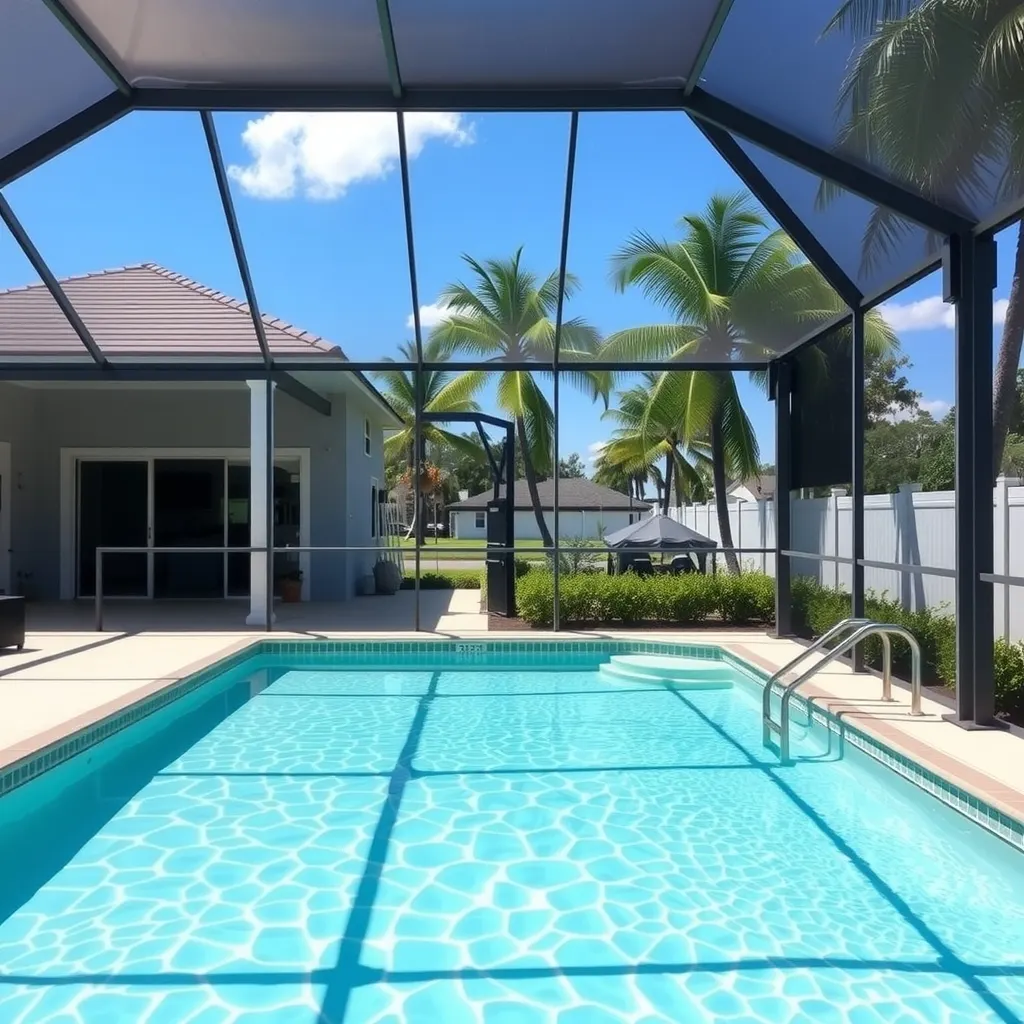
Why Florida pools wear out the way they do
A pool surface in Florida works hard. The sun is strong all year, the pool is in use for months longer than in most of the country, and the water chemistry has to be managed against rain, heat and, in many homes here, hard water. A cementitious finish such as plaster slowly roughens, stains and sheds small bits over the years. Tile at the waterline collects scale, and coping and decks crack from heat and movement.
The common signs are a rough surface that scratches your feet, stains that do not brush off, patches that sound hollow, cracks, or a pool that keeps losing water. Our pool resurfacing page explains plaster, pebble and quartz finishes, and the leak detection page explains how a leak is found before anyone starts cutting.
Who does the work matters. In Florida, resurfacing and structural pool work needs a licensed pool contractor, either state certified or registered. You can check a license for free on the state's licensing site, MyFloridaLicense.com. Equipment work such as a new heater or heat pump may need a permit, and the contractor should handle it.
How it works
- Tell us what is going on, by form.
- A licensed local pool contractor reaches out to set up a visit.
- You get an on site quote. No obligation.
Where we help
Services
Pool Resurfacing
Plaster, pebble or quartz. What each finish is and when your pool needs one.
Tile & Coping
Waterline tile, scale, loose coping and cracked edges.
Leak Detection
Losing water? How leaks are tested for before anyone digs.
Pool Deck
Cracked, hot or slippery deck? Cool deck coatings, overlays and pavers.
Pool Equipment
Pumps, filters, heaters and heat pumps. Repair or replace.