Pool resurfacing in Port St. Lucie, FL
Pool surface rough, stained or peeling in Port St. Lucie, FL? Compare plaster, pebble and quartz and get a free quote from a licensed local pool contractor.
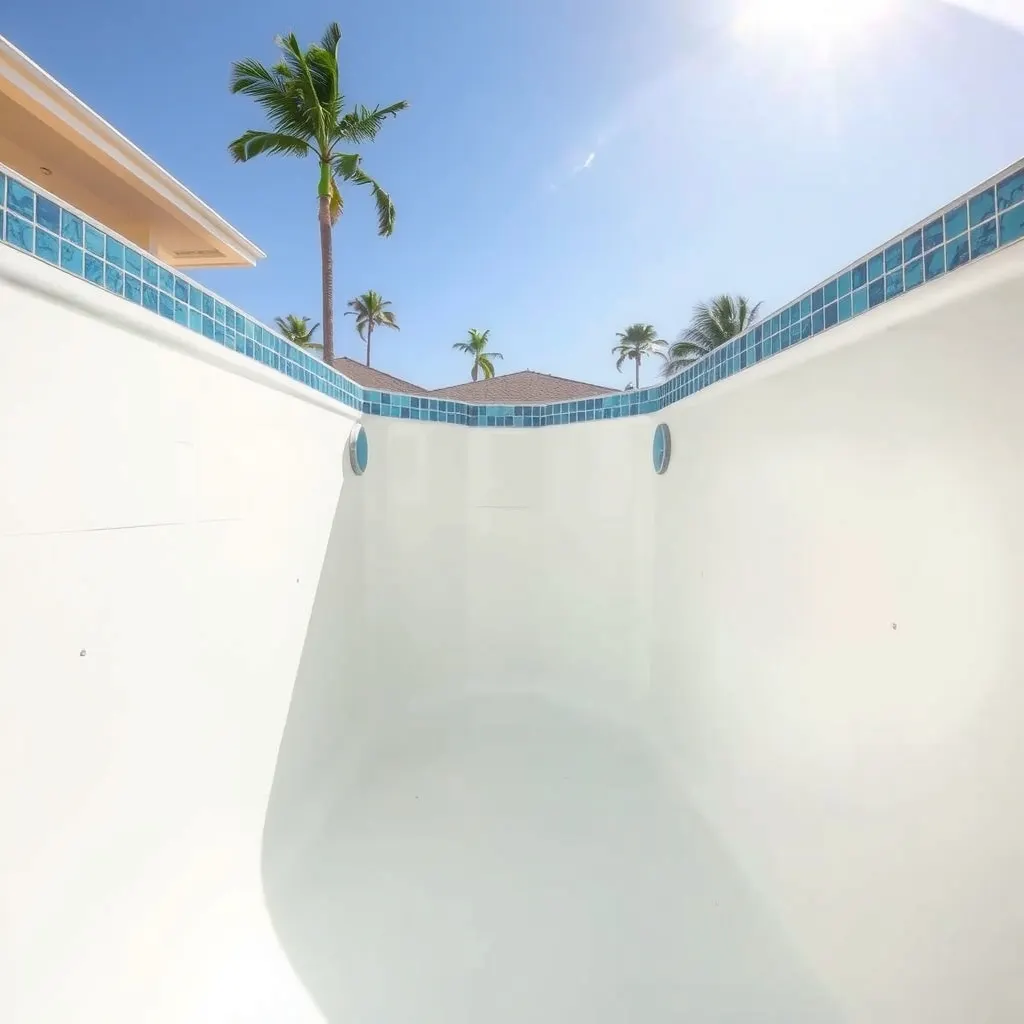
The surface of a concrete pool is a thin finish layer over the structure, and like any finish, it wears out. Resurfacing replaces that layer. It does not fix a leak or a cracked shell on its own, but it brings back a smooth, clean surface and protects the concrete underneath.
Signs your pool needs resurfacing
- A rough surface that scratches skin or swimsuits
- Stains that do not come out with brushing or chemicals
- Patches that look peeled, chipped or flaking, sometimes called spalling
- Hollow sounding spots when tapped, which can mean the finish has lifted
- Cracks in the surface, especially ones that are growing
- Etching or a pitted look from years of water chemistry that was out of balance
Plaster, pebble or quartz
Plaster. The traditional finish is a white or tinted cement mix. It is smooth and usually the lowest cost, but it is also the one that wears and stains the fastest, often needing a redo in the range of 7 to 15 years depending on care.
Quartz. Quartz aggregate is mixed into the cement, which makes the finish harder and more stain resistant than plain plaster, and it comes in more colors. It often costs more and often lasts longer.
Pebble. Small stones are mixed into the cement and exposed at the surface. Pebble is known for durability and a natural look. It is also rougher underfoot than plaster, which some people like for grip and others do not like on bare feet. It often costs the most of the three.
Ask to see a sample, and ask how the finish behaves in your kind of water. A finish that is right for one pool is not always right for another.
How the job works
The pool is drained, and the old surface is chipped or ground off and prepared. The crew then applies the new finish, fills the pool right away and starts the chemistry. The fill and the first weeks matter: a new surface is sensitive, and the contractor will usually give you a startup routine for brushing and balancing the water. Skipping it can cause stains and rough spots. Plan on the pool being out of use for a week or more, with a longer period of careful care after.
High water tables and draining
In much of Florida, groundwater sits close to the surface. An empty pool can be pushed up by that water, which can crack or lift the shell, so draining is a job for a contractor who plans around it. Do not drain a pool on your own. Chlorinated or salt water also should not be dumped into storm drains or natural waters, so ask how the contractor handles discharge.
Licensing and permits
In Florida, pool construction, repair and resurfacing is regulated work. It must be done by a licensed pool and spa contractor, either state certified, which means licensed to work anywhere in the state, or registered, which means licensed for the local areas where the contractor has registered. You can look up a contractor's license, its status and any discipline for free on MyFloridaLicense.com, and you should do it before you sign anything. Ask for proof of insurance too.
Permits depend on the job and the city or county. Resurfacing a pool in place is often treated differently from work that changes the structure, and equipment changes that involve electrical or gas lines, such as a new heater or heat pump, may need a permit and a licensed electrician. Ask the contractor which permits apply and who will pull them. If your community has an HOA, check whether it needs to approve visible changes.
What it costs
Price depends on the size and shape of the pool, the finish you pick, how much tile work or repair is bundled in, and access for equipment. Prices for a typical home pool often run from a few thousand dollars to over ten thousand, and larger pools with spas and premium finishes can cost more. The only way to get a real number is to have a contractor look at the pool, so ask for a written quote that names the finish, the prep and the startup care.
Tile is often replaced at the same time, so see pool tile and coping. If the pool has been losing water, check pool leak detection and repair first, because it is best to fix a leak before a new surface goes on.
Related services
We refer homeowners in Port St. Lucie, Tradition, St. Lucie West, Stuart, Jensen Beach, Palm City, and nearby neighborhoods.